

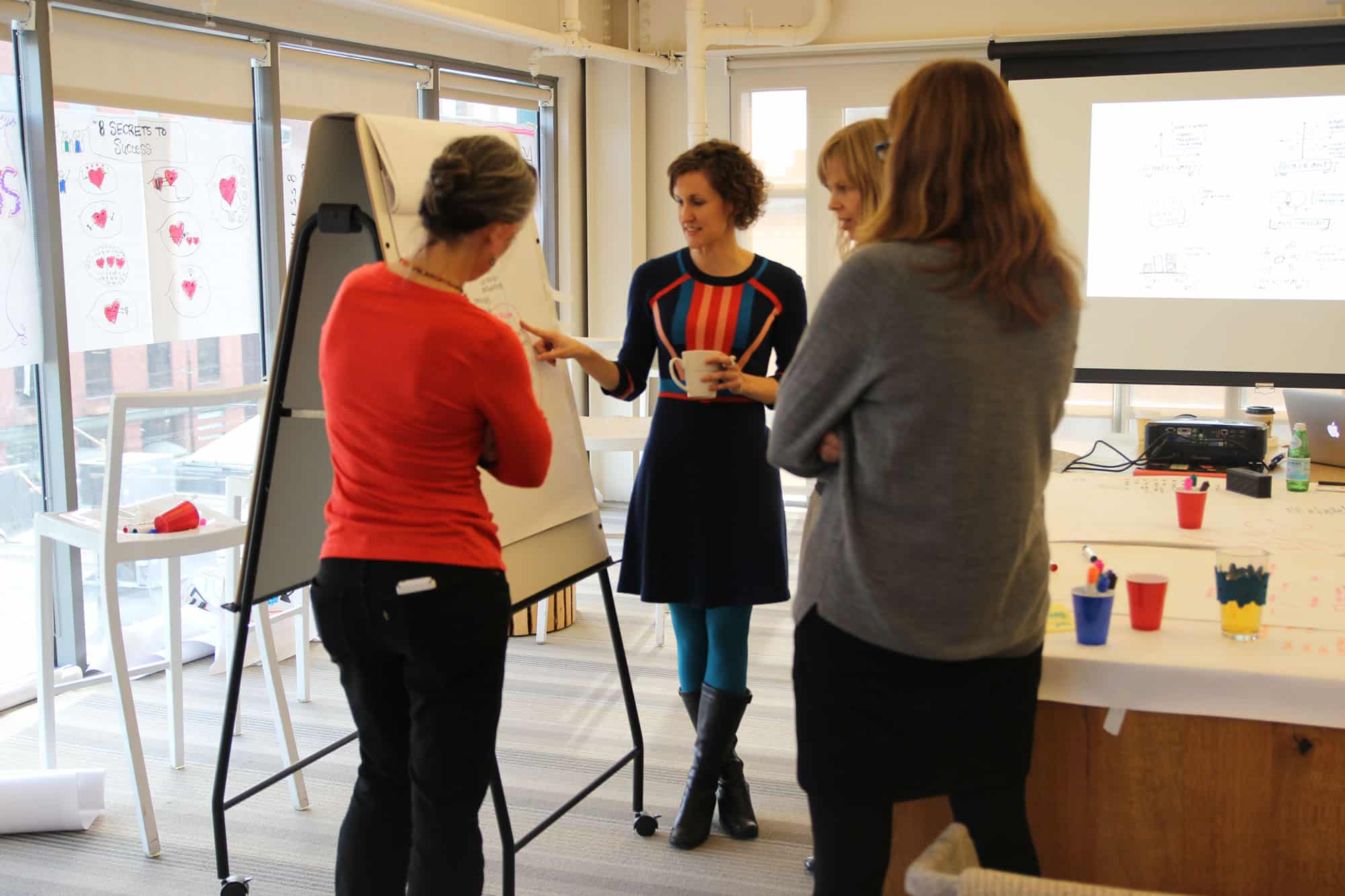
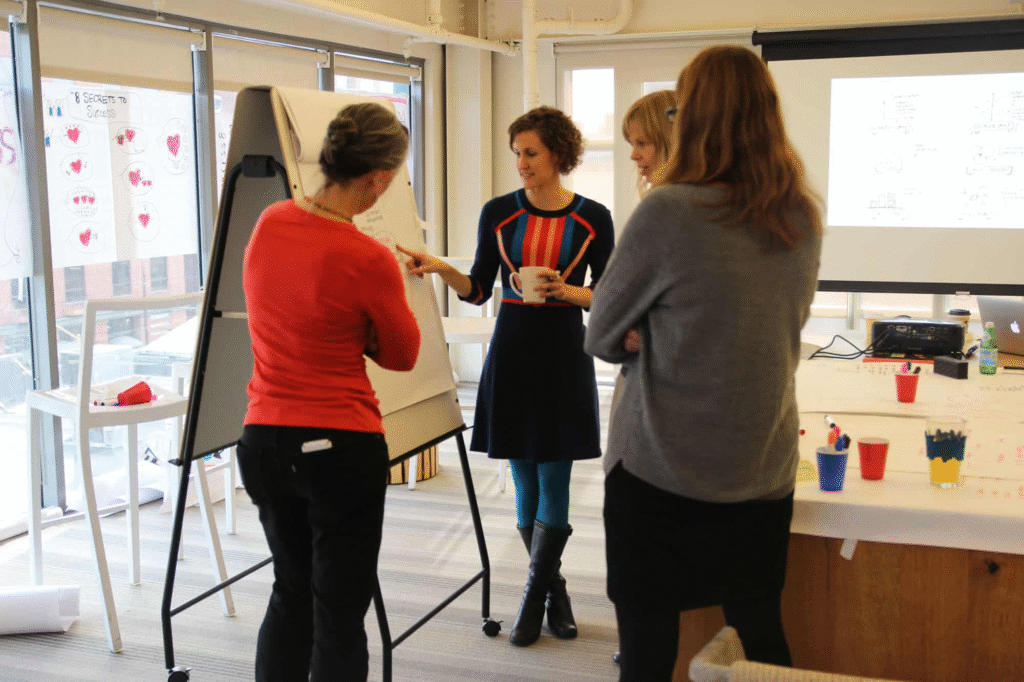
Meetings, workshops, and group discussions often involve many ideas, opinions, and detailed information. When everything is explained only through spoken words or long written notes, it can be difficult for participants to clearly follow the discussion. This is where graphic facilitation becomes very useful. Graphic facilitation uses simple drawings, keywords, and visual layouts to capture ideas while people talk. Instead of relying only on text, it turns conversations into clear visual summaries that everyone can easily understand.
Graphic facilitation helps teams see how ideas connect, remember important points, and stay involved during discussions. When information is presented visually, it becomes easier for people to follow the conversation and contribute their thoughts. This method is often used in meetings, training sessions, planning workshops, and conferences because it helps groups communicate and collaborate more effectively.
Understanding Graphic Facilitation
What Is Graphic Facilitation?
Graphic facilitation is a method that turns spoken ideas into visual notes using drawings, symbols, keywords, and simple diagrams. During a meeting or workshop, a facilitator listens carefully and creates visuals that represent the discussion as it happens.
These visuals may include mind maps, charts, arrows, icons, or small illustrations that show how ideas relate to one another. Instead of reading long reports later, participants can quickly review the visual summary and remember the key points of the conversation.
The main purpose of graphic facilitation is not to create detailed artwork. Instead, it focuses on making information simple, clear, and easy to understand. Even basic shapes, lines, and keywords can help people understand ideas faster than paragraphs of text.
This approach can be used in many settings, including business meetings, planning sessions, training programs, and community discussions. By showing ideas visually, people can follow the discussion more easily and remain engaged throughout the session.
The Role of a Graphic Facilitator
A graphic facilitator plays an important role during meetings and collaborative activities. Their main responsibility is to listen closely to conversations and turn those ideas into visual notes that capture the most important points.
One of their key skills is active listening. Graphic facilitators focus carefully on what participants are saying so they can identify the main ideas, themes, and messages. They then organize these ideas into a clear visual layout.
Another important task is visual translation. Using markers, boards, or digital tools, the facilitator creates diagrams, icons, and keywords that represent the discussion. These visuals help participants see how ideas connect and develop during the conversation.
Graphic facilitators also help increase participant engagement. When people see their ideas appear visually on the board, they feel more included in the process. This encourages them to share more thoughts and participate in discussions.
The visuals created during the session also become a lasting record of the meeting. Teams can review these visual summaries later to remember important decisions, plans, and insights discussed during the session.
Benefits of Graphic Facilitation in Team Meetings
Better Communication and Engagement
One of the most valuable benefits of graphic facilitation is improved communication. In many meetings, people explain ideas through long descriptions or complex explanations, which can make it difficult for others to understand the message clearly.
When ideas are shown visually, they become easier to understand. Diagrams, arrows, and simple drawings can show relationships between ideas more quickly than written text. Participants can see the main points clearly without feeling overwhelmed by too much information.
Visual notes also help people stay focused during meetings. Instead of simply listening, participants can watch the ideas take shape on the board. This keeps attention levels higher and encourages people to stay involved.
Graphic facilitation also creates a shared focus for the group. Everyone can look at the same visual representation of the discussion, which helps prevent misunderstandings and keeps conversations organized.
Supporting Creativity and Better Decision-Making
Graphic facilitation also supports creative thinking during group discussions. When ideas are displayed visually, people often notice connections or opportunities that might not have been obvious before.
This is especially helpful during brainstorming sessions. A facilitator may create a visual map where ideas spread out from a central topic. As the discussion continues, new ideas can be added and connected to existing ones, helping the group explore possibilities more freely.
Visual information also supports better decision-making. When complex ideas or plans are organized visually, leaders and team members can quickly understand the key points. This makes it easier to compare options, identify priorities, and choose the best solution.
Another advantage is that graphic facilitation creates visual records that teams can review after the meeting. These visuals act as helpful references for future planning and communication. They also make it easier to share meeting outcomes with people who were not able to attend.
Graphic facilitation is a practical and effective way to improve meetings and group discussions. By combining words with simple visuals, teams can communicate ideas more clearly, stay engaged during conversations, and work together more effectively.
When discussions are supported by visual storytelling, participants are more likely to understand complex ideas, contribute creative solutions, and make confident decisions. Over time, this approach can lead to stronger collaboration and more productive meetings.


