

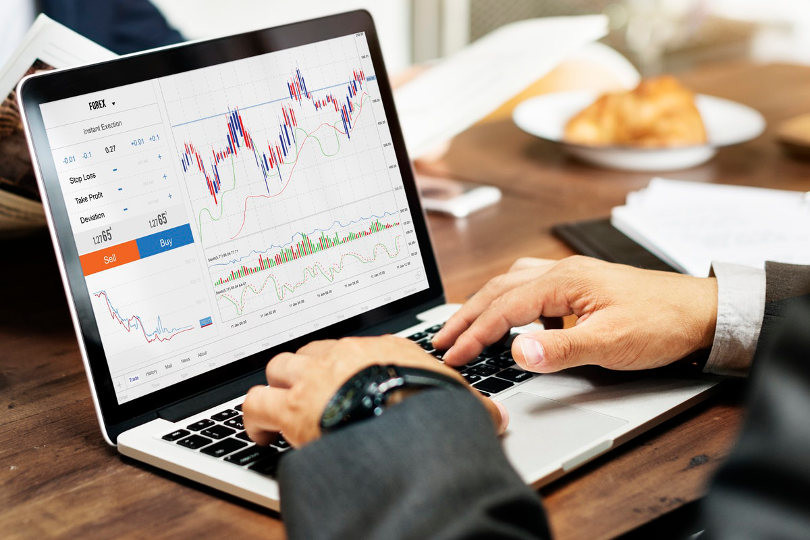
Understanding the dynamic world of the Forex market can be daunting. For those just starting, the confusing jargon, rapid-paced transactions, and complex strategies may seem overwhelming. However, tapping into the potential of foreign exchange trading offers numerous financial opportunities. In this guide, we aim to demystify the forex market, providing key concepts and insights that are crucial for beginners embarking on this rewarding financial adventure.
What is the Forex Market?
The Foreign Exchange Market, commonly referred to as Forex or FX, is a global marketplace where currencies are traded. It operates 24 hours a day, five days a week, and is considered the largest financial market in the world. Forex trading involves buying one currency while simultaneously selling another, making it a dual transaction process.
For beginners, it’s essential to understand that currencies are traded in pairs, such as EUR/USD or GBP/JPY. When you trade Forex, you’re predicting whether the base currency (the first in the pair) will strengthen or weaken against the quote currency (the second in the pair).
Why Trade Forex?
Forex trading offers several advantages that make it an attractive option for investors. One of its most appealing features is its high liquidity. Because the market is enormous, traders can enter and exit positions quickly without significant price fluctuations. This liquidity leads to tighter spreads and lower transaction costs.
Another benefit is leverage, which allows traders to control a larger position with a smaller amount of capital. However, it’s crucial to approach leverage with caution, as it can amplify both profits and losses. Additionally, the Forex market provides flexibility. With 24-hour trading, individuals can engage in trading activities at their convenience, accommodating different time zones and schedules.
Key Participants in the Forex Market
The Forex market is a decentralized, over-the-counter market comprising various participants. These include central banks, commercial banks, financial institutions, corporations, and individual traders. Central banks play a pivotal role by influencing currency valuation through monetary policies and interventions.
Commercial banks facilitate currency exchange for clients and engage in proprietary trading. Financial institutions and corporations utilize Forex for hedging purposes to protect against currency risk. Lastly, individual traders, who represent a growing segment of the market, participate through online trading platforms, seeking to profit from currency fluctuations.
Understanding Currency Pairs
In Forex trading, currencies are quoted in pairs to reflect their relative value. The first currency in the pair is the base currency, and the second is the quote currency. For example, in the EUR/USD pair, the euro is the base currency, and the U.S. dollar is the quote currency.
Currency pairs can be further categorized into major, minor, and exotic pairs. Major pairs, such as EUR/USD and GBP/USD, involve the most traded currencies and offer higher liquidity. Minor pairs, like EUR/GBP, consist of less frequently traded currencies. Exotic pairs, such as USD/SGD, involve a major currency and a currency from a developing economy, resulting in lower liquidity and higher volatility.
Reading Forex Quotes
To make informed trading decisions, beginners must learn how to read Forex quotes. A typical quote consists of two prices—the bid and the ask. The bid price is what buyers are willing to pay for the base currency, while the ask price is what sellers demand for it. The difference between these prices is known as the spread.
For example, if the EUR/USD quote is 1.1200/1.1202, the bid price is 1.1200, and the ask price is 1.1202. The spread, in this case, is 2 pips (percentage in points), which represents the cost of the trade.
Types of Forex Orders
Understanding the different types of orders is crucial for effective Forex trading. There are several order types, including market orders, limit orders, and stop orders. A market order is executed immediately at the current market price, ensuring quick entry or exit from a position.
A limit order allows traders to specify a price at which they want to buy or sell a currency pair. This order type ensures that the trade is only executed if the market reaches the desired price level. Stop orders, on the other hand, are used to limit potential losses or lock in profits by triggering a trade when the market hits a predetermined price.
The Role of Leverage in Forex Trading
Leverage is a double-edged sword in Forex trading. It enables traders to control a larger position with a smaller amount of capital, amplifying potential profits. For example, a leverage ratio of 100:1 allows a trader to control $100,000 worth of currency with just $1,000 in their trading account.
However, leverage also increases the risk of significant losses. Beginners should exercise caution and use leverage responsibly, understanding the potential impact on their trading outcomes. Employing risk management strategies, such as setting stop-loss orders, can help mitigate the risks associated with leverage.
Analyzing the Forex Market
Successful Forex trading requires a solid understanding of market analysis. There are two primary methods of analysis—fundamental and technical. Fundamental analysis evaluates economic indicators, interest rates, geopolitical events, and other factors that can influence currency values.
Technical analysis, on the other hand, involves studying historical price data and chart patterns to identify potential trends and price movements. Many traders use a combination of both methods to make informed trading decisions and increase the likelihood of profitable trades.
The Importance of Risk Management
Risk management is a critical aspect of Forex trading. Beginners should develop a comprehensive risk management plan to protect their capital and minimize potential losses. This includes setting stop-loss orders, determining an acceptable risk-to-reward ratio, and diversifying trading strategies.
By limiting the amount of capital exposed to any single trade and adhering to a well-defined risk management plan, traders can improve their chances of long-term success in the Forex market.
Choosing a Forex Broker
Selecting a reputable Forex broker is crucial for a successful trading experience. When choosing a broker, beginners should consider factors such as regulation, trading platform, fees, spreads, and customer support. A regulated broker ensures a higher level of security and transparency.
Additionally, traders should look for a user-friendly trading platform with a wide range of tools and resources to aid in market analysis and decision-making. Comparing the fees and spreads offered by various brokers can help traders find the most cost-effective option.