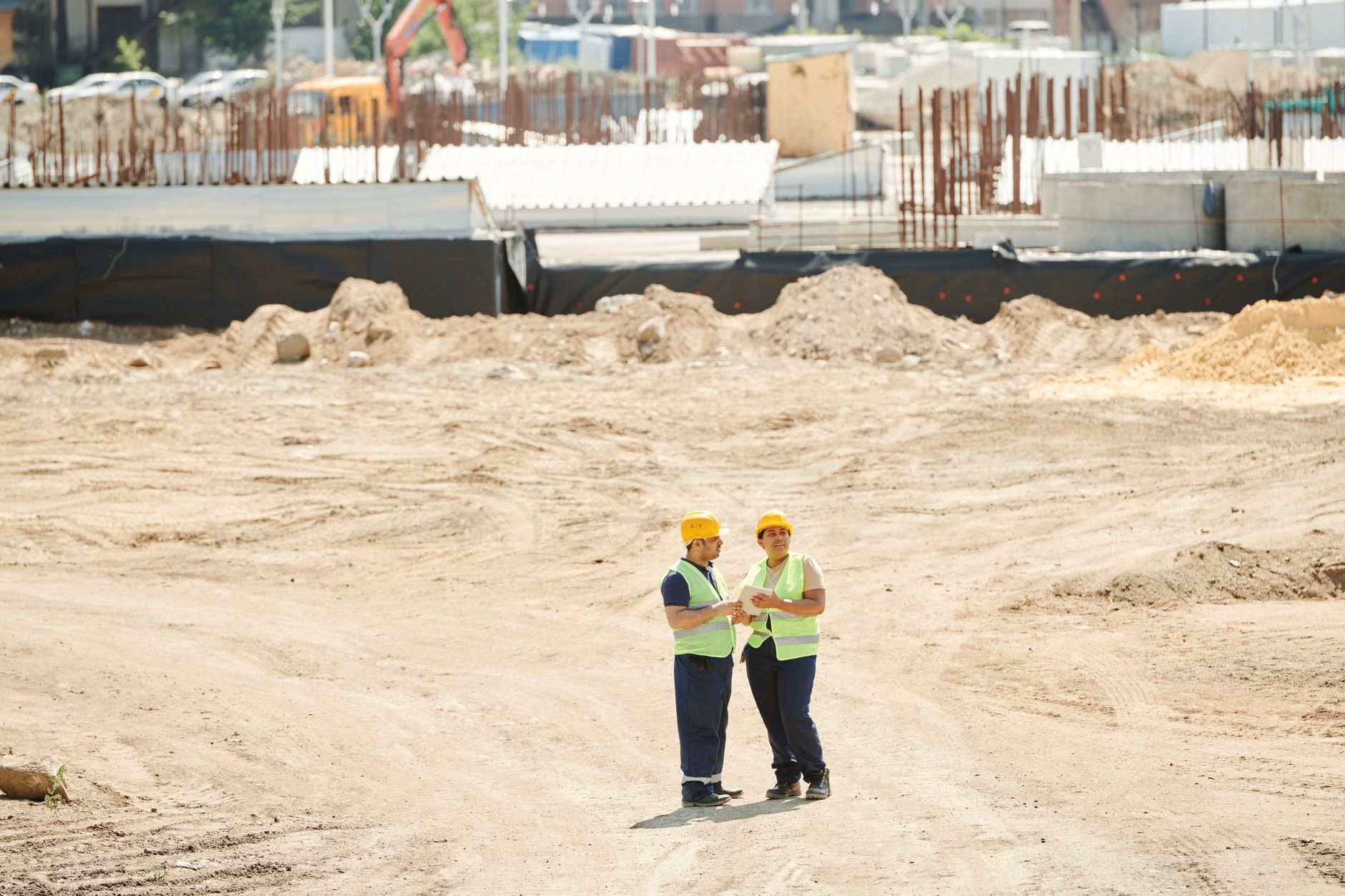
Construction projects require more than skilled trades and carefully prepared designs. They need experienced professionals who can coordinate activities, maintain standards, and respond to changing site conditions. This is why Site manager jobs (bauleiter jobs) continue to attract professionals who enjoy combining technical construction knowledge with leadership and organization. The position plays a central role in connecting project plans with daily site operations while supporting safety, quality, communication, and efficient workflow.
Jump To
- Understanding the Responsibilities
- Measuring Construction Progress
- Safety as a Core Responsibility
- Quality Management on the Site
- Communication and Leadership
- Technology in Modern Site Management
- Building a Long-Term Career
Understanding the Responsibilities
Site managers oversee construction activities from the operational side of a project. Their responsibilities can vary according to the type and complexity of the development, but the central objective remains consistent: ensuring that construction work is properly coordinated and carried out according to established requirements.
Daily duties may include supervising workers, coordinating subcontractors, checking site conditions, communicating with project managers, reviewing technical information, and monitoring construction progress. Site managers may also help organize deliveries, inspections, documentation, and corrective actions when unexpected issues arise.
Measuring Construction Progress
Progress monitoring is an important part of effective site management. Professionals need to understand whether planned activities are moving forward as expected and whether obstacles could affect upcoming work.
Useful performance indicators can include task completion, material availability, workforce coordination, inspection results, safety observations, and quality findings. Tracking these areas provides a clearer picture of project performance and helps management teams make informed decisions.
Good site managers do not simply react to problems. They observe developing conditions and take preventive action whenever possible. This approach can support smoother workflows and reduce avoidable disruption.
Safety as a Core Responsibility
Construction sites involve equipment, materials, elevated work areas, moving vehicles, and multiple teams operating simultaneously. Safety therefore needs to remain an ongoing management priority.
Site managers help ensure that workers understand established procedures and that site activities follow applicable safety requirements. Regular communication, careful supervision, and attention to changing working conditions can contribute to a safer environment.
Safety awareness also reflects professional leadership. When managers consistently demonstrate responsible practices, teams are more likely to recognize safety as an essential part of everyday construction work rather than an occasional administrative requirement.
Quality Management on the Site
Quality control is closely connected with supervision. Construction work needs to meet approved designs, technical specifications, and applicable standards. Site managers help monitor workmanship and identify inconsistencies before they become larger problems.
Quality-focused management involves reviewing completed tasks, coordinating inspections, communicating corrections, and ensuring that relevant information reaches the appropriate team members. Attention to detail can have a significant influence on the final condition of a completed project.
Communication and Leadership
A construction site brings together people with different responsibilities and areas of expertise. Site managers act as an important communication point between these groups.
Effective communication involves giving clear instructions, listening to concerns, documenting decisions, and keeping stakeholders informed. Leadership also requires flexibility because construction conditions can change rapidly.
A professional site manager should be able to prioritize tasks, make practical decisions, and maintain cooperation even when schedules become demanding. These interpersonal abilities are often just as important as technical knowledge.
Technology in Modern Site Management
Digitalization is changing construction management. Digital planning systems, mobile reporting tools, electronic documentation, and collaborative platforms can improve access to project information.
Professionals who understand these tools can organize information more effectively and communicate updates with greater clarity. However, technology works best when combined with sound construction judgment and practical site experience.
Building a Long-Term Career
A career in site management can develop through education, practical experience, professional training, and exposure to different construction environments. Candidates can strengthen their profiles by developing knowledge of construction methods, regulations, safety practices, scheduling, documentation, and digital project tools.
The strongest professionals continue learning as construction methods and expectations evolve. For people who enjoy responsibility, teamwork, technical problem-solving, and practical project coordination, site management can offer a rewarding and progressive professional direction.
Key Points
- Site managers oversee construction activities from the operational side, ensuring that work is properly coordinated according to established requirements.
- Daily responsibilities of site managers include supervising workers, coordinating subcontractors, checking site conditions, and tracking construction progress.
- Safety management is a core responsibility for site managers, who ensure compliance with established safety procedures and promote a culture of safety awareness among workers.
- Quality control is an essential aspect of a site manager’s role, involving the monitoring of workmanship to ensure compliance with approved designs and standards.
- Effective communication is crucial for site managers, who act as a central point of contact among diverse teams while maintaining flexibility to adapt to changing conditions.
- Digital tools and systems are transforming construction management, enabling better organization and communication, but must be applied in conjunction with practical experience.