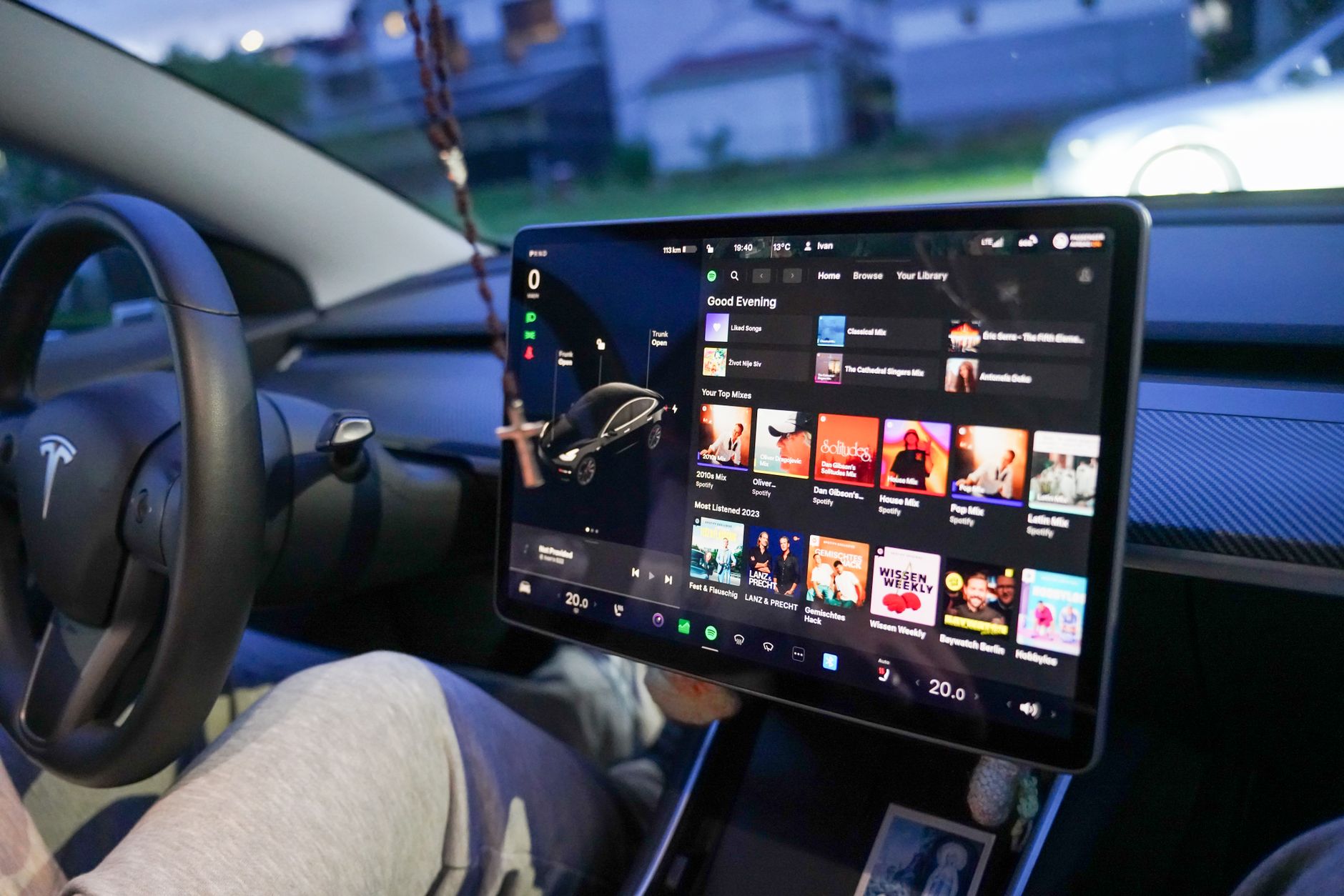
The Tesla Cybercab rollout has officially arrived in Austin, showcasing the company’s commitment to autonomous vehicle technology and urban mobility.
Overview of Tesla Cybercab Rollout
The Tesla Cybercab rollout marks a significant advancement in the evolution of autonomous transportation. As Tesla expands its robotaxi fleet, the introduction of the Cybercab promises to revolutionize urban mobility. With its sleek design and cutting-edge technology, the Cybercab is engineered to provide a safe and efficient ride for passengers.
Currently, Tesla has launched the Cybercab in Austin, Texas, a strategic location that serves as a testing ground for the future of ride-sharing. This city offers a diverse landscape, making it an ideal setting for assessing the vehicle’s capabilities in various driving conditions.
Key features of the Cybercab include:
- Fully Autonomous Driving: The Cybercab utilizes Tesla’s advanced AI and sensor technology to navigate city streets without human intervention.
- Enhanced Safety Measures: Built with multiple safety features, the Cybercab prioritizes passenger security during transit.
- Eco-Friendly Operation: As an electric vehicle, it contributes to reducing carbon emissions in urban environments.
The Tesla Cybercab rollout is just the beginning of a broader vision for sustainable transportation, aiming to reshape how we think about mobility in the future.
Benefits of Tesla Cybercab in Austin
The arrival of the Tesla Cybercab in Austin marks a significant milestone in the ongoing evolution of urban transportation. This innovative service promises several benefits that could transform the way residents and visitors navigate the city.
- Convenience: With the Tesla Cybercab rollout, users can easily hail a ride via a mobile app, reducing the need for personal vehicles and parking woes.
- Environmental Impact: Tesla’s electric vehicles contribute to a decrease in carbon emissions, promoting a cleaner and more sustainable urban environment.
- Cost-Effectiveness: The Cybercab service is expected to be more affordable than traditional taxi services, making it an attractive option for daily commuters.
- Safety: Equipped with advanced autonomous driving technology, the Cybercab aims to enhance passenger safety by minimizing human error.
- Reduced Traffic Congestion: By encouraging shared rides, the Cybercab can help alleviate traffic congestion in busy areas of Austin.
As the Tesla Cybercab rollout unfolds, these benefits could change the landscape of transportation in Austin for the better.
Challenges Facing Tesla Cybercab Expansion
The rollout of the Tesla Cybercab faces several challenges as it expands into new markets. While the initial launch in Austin has generated significant excitement, there are hurdles that must be addressed to ensure a successful implementation.
- Regulatory Hurdles: Each city has its own set of regulations governing ride-sharing and autonomous vehicles. Navigating these laws can delay the rollout process and complicate operations.
- Public Perception: Acceptance of robotaxis is crucial. Some potential users are hesitant to trust fully autonomous vehicles, raising concerns about safety and reliability.
- Infrastructure Limitations: Many urban areas lack the necessary infrastructure for optimal robotaxi operation, including adequate charging stations and designated pick-up/drop-off zones.
- Competition: With other companies also investing in autonomous vehicle technology, Tesla must differentiate its Cybercab from competing options in a rapidly evolving market.
Addressing these challenges will be essential for the Tesla Cybercab rollout to thrive and realize its potential as a transformative transportation solution.
Future of Robotaxis with Tesla Cybercab
The future of robotaxis is increasingly intertwined with the Tesla Cybercab rollout, as the company pushes the boundaries of autonomous transportation. With the successful launch of the Cybercab in Austin, Tesla is setting a precedent for urban mobility that could reshape how people think about commuting.
As cities around the globe look to reduce traffic congestion and emissions, the integration of electric robotaxis like the Cybercab offers a promising solution. The vehicle’s advanced AI technology and electric powertrain not only provide an environmentally friendly alternative but also enhance the efficiency of urban transport systems.
However, the journey ahead is not without its hurdles. The regulatory landscape and public acceptance will play critical roles in the widespread adoption of the Cybercab. Tesla must navigate complex legal frameworks while ensuring passenger safety and building trust among potential users.
In conclusion, the Tesla Cybercab rollout signifies a pivotal moment in the evolution of transportation, making it essential for stakeholders to collaborate and innovate to realize the full potential of robotaxis in our cities.
Public Response to Tesla Cybercab Rollout
The public response to the Tesla Cybercab rollout has been a mix of excitement and skepticism. Many residents in Austin have expressed enthusiasm about the potential for enhanced mobility and reduced traffic congestion. Local app users are particularly eager to experience the convenience of summoning a Cybercab at any time of day.
However, there are also concerns regarding safety and the technology behind autonomous vehicles. Some community members have voiced their apprehension about the reliability of the robotaxis, emphasizing the need for stringent safety measures. Public forums and social media discussions have highlighted these issues, revealing a desire for more information about how Tesla plans to address them.
In response, Tesla has committed to transparency, hosting events to educate the public about the Cybercab’s features and operational protocols. Feedback from early adopters is being used to refine the service further. As the rollout progresses, it will be crucial for Tesla to balance innovation with public safety to ensure the long-term success of the Cybercab initiative.
Comparing Tesla Cybercab to Other Robotaxis
As the Tesla Cybercab rollout progresses, comparisons with other robotaxi services like Waymo and Cruise become inevitable. Each model brings unique features that cater to varying consumer needs and preferences.
- Waymo: Known for its extensive mapping and safety protocols, Waymo offers a robust service in select urban areas, but its operational range is limited compared to Tesla’s ambitious plans.
- Cruise: Focused on urban environments, Cruise utilizes a fleet of modified Chevrolet vehicles. While effective, its deployment is constrained by regulatory hurdles and geographic limitations.
- Tesla Cybercab: With its advanced AI and integration into Tesla’s existing infrastructure, the Cybercab aims for a wider reach and faster adaptability. This allows for a seamless experience as users engage with both personal and shared vehicle options.
Moreover, Tesla’s commitment to continual software updates ensures that the Cybercab can improve over time, enhancing safety features and user experience. This adaptability may give Tesla a competitive edge in the rapidly evolving robotaxi market.
Photo by Vladimir Srajber on Pexels
Sources
Related reading
- Key WINBOX Features Users Should Understand Before Exploring the Platform
- Understanding the Steps of an Orlando Auto Title Loan Inspection
- Site Manager Careers: Essential Skills for Successful Construction Projects